
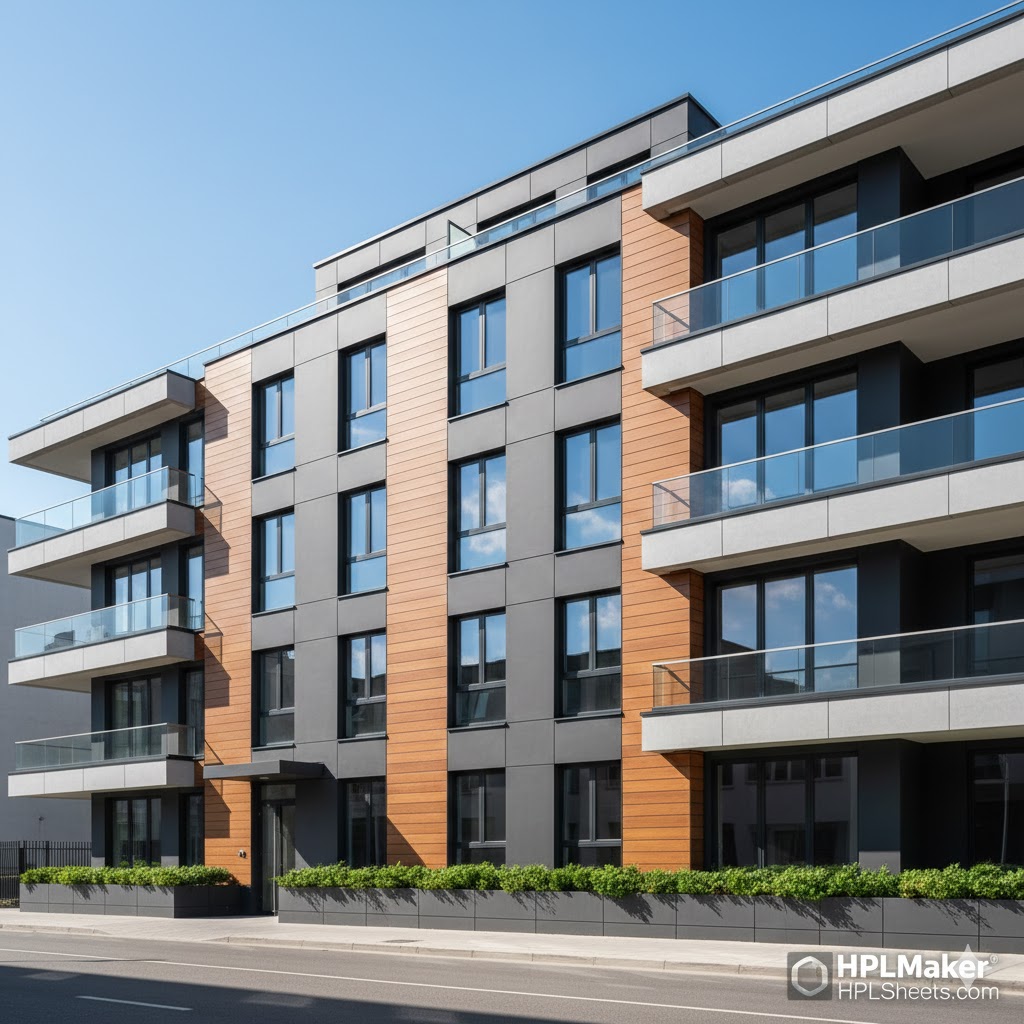
Choosing the right exterior cladding material is important — but choosing the right thickness is equally critical.
When it comes to exterior HPL (High-Pressure Laminate) sheets, many architects, contractors, and builders often ask:
Should I go for 6mm, 8mm, or 10mm HPL sheets?
The answer depends on your project type, structural requirements, wind load conditions, and long-term performance expectations. In this guide, we’ll break it down in simple terms so you can make an informed decision.
Why Thickness Matters in Exterior HPL Sheets
Exterior HPL sheets are designed to withstand:
- Wind pressure
- Temperature variations
- UV exposure
- Rain and moisture
- Physical impact
The thickness of the sheet directly affects:
- Strength and rigidity
- Load-bearing capacity
- Installation method
- Durability over time
Thicker sheets generally offer higher structural strength and are preferred for demanding applications.
6mm HPL Sheets – Lightweight & Cost-Effective
6mm exterior HPL sheets are commonly used in projects where:
- The facade area is smaller
- Wind load is moderate
- Budget is a concern
- Lightweight cladding is required
Key Features:
- Easy to handle and install
- Lower overall cost
- Suitable for residential elevations
- Ideal for low-rise structures
However, for high-rise buildings or heavy-duty commercial projects, 6mm may not always be the best choice.
8mm HPL Sheets – Balanced Performance
8mm HPL sheets are often considered the “balanced option” for exterior cladding.
They provide:
- Better structural stability than 6mm
- Stronger resistance to wind load
- Improved durability
- Suitable for mid-rise buildings
Ideal For:
- Residential apartments
- Corporate offices
- Institutional buildings
- Medium-scale commercial projects
Many architects prefer 8mm because it offers a strong balance between cost and performance.
10mm HPL Sheets – Heavy-Duty & High-Performance
For large commercial buildings and high-rise facades, 10mm exterior HPL sheets are often recommended.
These sheets provide:
- Maximum strength and rigidity
- Better impact resistance
- Higher durability in extreme conditions
- Enhanced long-term structural reliability
Recommended For:
- High-rise commercial buildings
- Airports and hospitals
- Industrial projects
- Large facade areas exposed to strong wind loads
Although 10mm sheets are heavier and slightly more expensive, they deliver superior long-term performance.
Comparison: 6mm vs 8mm vs 10mm HPL Sheets
| Feature | 6mm | 8mm | 10mm |
|---|---|---|---|
| Weight | Light | Medium | Heavy |
| Strength | Moderate | Strong | Very Strong |
| Wind Resistance | Basic | Good | Excellent |
| Best For | Small projects | Mid-size buildings | High-rise & Commercial |
| Cost | Lower | Medium | Higher |
How to Choose the Right Thickness
When selecting exterior HPL sheet thickness, consider:
1. Building Height
Taller buildings require thicker sheets due to higher wind pressure.
2. Location & Climate
Coastal or high-wind areas demand stronger cladding.
3. Project Type
Commercial and institutional buildings typically require 8mm or 10mm sheets.
4. Budget & Structural Design
Consult with your facade consultant or structural engineer before finalizing thickness.
Why Manufacturing Quality Also Matters
Thickness alone does not guarantee performance. The quality of raw materials, resin composition, pressing process, and density consistency play a major role in durability.
Working with an experienced manufacturer ensures:
- Accurate thickness tolerance
- Proper density and strength
- Exterior-grade weather resistance
- Long-term reliability
Many architects and contractors prefer sourcing from established brands like hplsheets.com, where exterior HPL sheets are produced with controlled manufacturing standards designed specifically for facade applications.
Final Recommendation
There is no “one-size-fits-all” thickness.
- Choose 6mm for smaller, budget-sensitive residential projects.
- Choose 8mm for balanced residential and mid-scale commercial applications.
- Choose 10mm for high-rise, heavy-duty, and long-term commercial facades.
Selecting the right thickness — along with a reliable manufacturer — ensures that your building exterior remains strong, safe, and visually appealing for years to come.
If you’re planning an exterior cladding project, evaluating both thickness and manufacturing quality will help you make a smart, long-term investment.